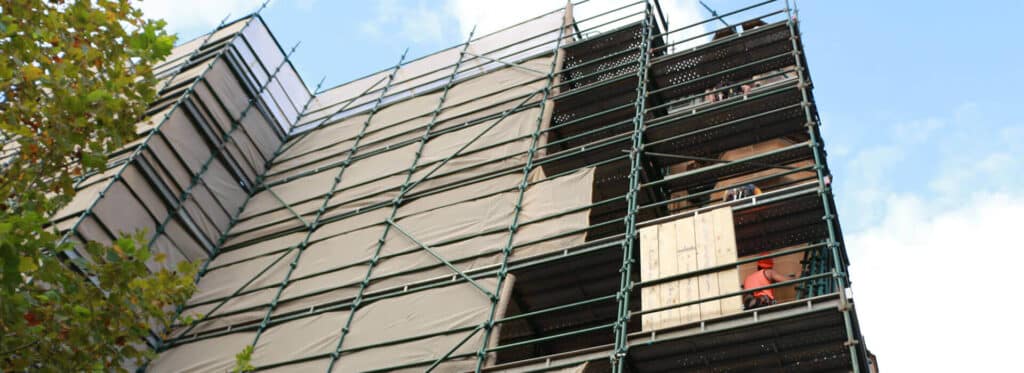
This article provides comprehensive coupler scaffolding installation tips from the perspectives of technicians and procurement professionals, highlighting ways to maximize efficiency, safety, and cost-effectiveness. It covers understanding coupler scaffolding types, pre-installation planning, selecting quality couplers, and safety compliance. The guide includes a step-by-step installation process, time-saving techniques such as prefabrication and proper tool management, and best practices for maintenance and dismantling. For buyers, a procurement guide offers criteria for selecting a reliable supplier, emphasizing quality certifications, consistent supply, and total cost of ownership. WanchengTai is showcased as a dependable Chinese manufacturer, offering advanced production, stringent QC, and competitive pricing. The article also lists common mistakes to avoid and underscores the importance of using high-quality couplers to ensure structural integrity. Concluding with the benefits of partnering with WanchengTai, it aims to attract genuine buyers by demonstrating expertise and value, positioning the company as a top choice for scaffolding components.
Welcome to an in-depth guide on coupler scaffolding installation, brought to you by Qingdao WanchengTai (WanchengTai), a leading Chinese manufacturer of scaffolding systems. With years of experience in producing high-quality couplers and scaffolding components, we understand that efficiency and safety go hand in hand. This article is crafted from the dual perspectives of seasoned technical engineers and procurement specialists, aiming to help you install coupler scaffolding faster, safer, and more cost-effectively. Whether you are a contractor, project manager, or purchasing agent, these insights will help you make informed decisions and streamline your operations.
1. Understanding Coupler Scaffolding
Coupler scaffolding, also known as tube-and-clamp scaffolding, is a versatile system composed of steel tubes connected by couplers (also called clamps). Unlike modular systems, coupler scaffolding offers unmatched flexibility in creating custom configurations for complex structures. The key components include standards (vertical tubes), ledgers (horizontal tubes), transoms (tubes perpendicular to ledgers), and couplers that lock them together. Common coupler types include right-angle couplers, swivel couplers, sleeve couplers, and putlog couplers, each serving a specific purpose.
Braçadeiras diagonais para andaimes Kwikstage
Padrões de andaimes Cuplock
Suporte de placa de andaime Ringlock / Hop-Up
Andaime Ringlock Mid Transom
Andaime Ringlock Ledger duplo / Ledger de treliça
1.1 The Role of Couplers in Safety and Efficiency
Couplers are the critical load-bearing connections in a scaffold. A poorly fitted coupler can lead to structural failure, so understanding the correct type and installation method is paramount. For instance, right-angle couplers are used for perpendicular connections, while swivel couplers allow angular adjustments. Sleeve couplers join tubes end-to-end. WanchengTai manufactures couplers that meet international standards, ensuring both safety and durability.
undefined
1.2 Applications of Coupler Scaffolding
This system is ideal for projects that require irregular shapes, such as shipbuilding, bridge construction, petrochemical plants, and facade work. Its adaptability makes it a favorite among contractors who need a reliable and versatile access solution. By mastering installation techniques, you can reduce labor costs and project timelines significantly.
2. Pre-Installation Planning
Efficient installation begins long before the first tube is set. Thorough planning saves time, money, and prevents accidents. Here are critical steps to follow.
2.1 Site Assessment
Conduct a thorough site inspection to identify ground conditions, obstacles, overhead hazards, and the exact dimensions of the area to be accessed. This information guides the scaffold design and the quantity of materials needed. Use site surveys and drawings to create a detailed scaffold plan that complies with local regulations.
2.2 Scaffold Design
Engage a competent engineer to design the scaffold layout. The design must specify tube diameters, coupler types, spacing, bracing, tie-in points, and load capacities. A well-designed scaffold minimizes material waste and reduces on-site adjustments. WanchengTai can provide technical support and load charts to assist your engineering team.
2.3 Material Estimation and Logistics
Calculate the exact quantities of tubes and couplers required. Overordering wastes money, while underordering causes delays. Consider ordering from a reliable supplier like WanchengTai, whom we offer consistent quality and bulk discounts. Plan delivery schedules to avoid congestion on site and ensure that materials are protected from weather damage during storage.
3. Choosing the Right Couplers
The performance of your scaffold depends heavily on the quality of couplers. Not all couplers are created equal, and selecting substandard ones can jeopardize safety and productivity.
3.1 Material and Manufacturing Standards
High-quality couplers are typically forged steel or drop-forged iron, with a rust-resistant finish such as electro-galvanizing or hot-dip galvanizing. They should conform to international standards like EN 74, BS 1139, or OSHA 1926. WanchengTai ensures all our couplers undergo rigorous tensile and slip testing to guarantee load capacity and durability.
3.2 Coupler Types and Selection Criteria
| Coupler Type | Aplicativo | Common Sizes |
|---|---|---|
| Right-angle coupler | Connecting standards and ledgers at 90 degrees | 48.3mm (2-inch) |
| Swivel coupler | Allowing connections at any angle for bracing and ties | 48,3 mm |
| Sleeve coupler | Joining tubes end-to-end to extend length | 48,3 mm |
| Putlog coupler | Connecting putlog tubes to ledgers | 48,3 mm |
When selecting, always verify the load rating and ensure that the couplers match the tube diameter. Using mismatched components leads to instability and rework.
3.3 Quality Assurance from WanchengTai
As a Chinese manufacturer, WanchengTai follows strict quality control processes, from raw material inspection to final load testing. Our couplers are marked with batch numbers, and we provide certification documents to assure your inspectors and clients of compliance. This transparency builds trust and reduces project friction.
4. Safety First: Compliance, Training, and Inspection
Safety is non-negotiable in scaffolding. An efficient installation is one that avoids accidents and rework. Here’s how to integrate safety into your workflow.
4.1 Compliance with Regulations
Adhere to local and international safety standards, including OSHA in the US, ISO, and European norms. Obtain necessary permits and conduct regular safety audits. Non-compliance leads to fines, project shutdowns, and reputational damage.
4.2 Workforce Training
Every worker involved in scaffold installation must be trained and, where required, certified. Training should cover proper handling of couplers, torque settings, fall protection, and emergency procedures. Invest in refresher courses to keep skills sharp. WanchengTai provides installation manuals and videos upon request to support your training programs.
4.3 Pre-Installation Inspection
Before assembly, inspect all tubes and couplers for damage, corrosion, or deformation. Discard any components that do not meet specifications. During installation, have a competent person inspect every lift as it is built, and conduct a final sign-off before use. This reduces the risk of structural failure and ensures worker confidence.
5. Step-by-Step Installation Guide
Maximize efficiency by following a systematic sequence. The process varies depending on the scaffold design, but these general steps apply to most coupler scaffolding projects.
5.1 Foundation and Base Preparation
Set up a stable foundation using base plates and sole boards to distribute loads evenly. On soft ground, use adjustable base jacks to level the scaffold. Unlevel bases cause the entire structure to be off, leading to dangerous stresses and wasted time trying to correct.
5.2 Erecting Standards and Ledgers
Begin by placing standards at the required spacing. Connect ledgers to the standards using right-angle couplers at each lift. Ensure that all couplers are tightened to the recommended torque (typically 45 kN·m for steel couplers). Use a calibrated wrench to achieve consistent tightness. A common mistake is overtightening, which damages threads, or undertightening, which leads to slippage.
5.3 Installing Transoms and Platforms
Fix transoms perpendicular to the ledgers to support the scaffold boards. Use couplers designed for transom connections. Lay boards securely, ensuring no gaps and that they are properly battened down. Efficient crews preassemble board sets to minimize time on elevated work.
5.4 Bracing and Tying
Install diagonal braces to provide lateral stability. Use swivel couplers to allow angles. Tie the scaffold to the structure using suitable anchors (e.g., wall ties). Ties are critical at every other lift and at corners. Preplan tie points to avoid improvisation, which slows crews.
5.5 Access and Egress
Provide safe access via ladders or stair towers. Ensure that access points are clear and slip-resistant. Integrating access systems into the initial design reduces reconfiguration later.
5.6 Toe Boards and Guardrails
Install toe boards and guardrails at every open edge. These components are often forgotten until inspection, causing delays. Have them ready and fix them as you go, not after the fact.
6. Maximizing Efficiency: Time-Saving Techniques
Efficiency in scaffold installation is not just about speed; it’s about minimizing waste and rework. Here are proven strategies from experienced crews.
6.1 Prefabrication and Preassembly
Where possible, prefabricate scaffold runs on the ground and lift them into place. This technique reduces elevated work and accelerates the process. For example, assemble bays with connected ledgers and transoms before lifting. Use cranes or lifting equipment when safe.
6.2 Tool and Coupler Management
Keep a ready supply of couplers in organized bins on each lift. Use pouches to carry wrenches and spare parts. Research shows that workers lose significant time fetching tools. By decentralizing tool stations, you cut downtime.
6.3 Team Deployment
Assign specific roles to crew members based on their strengths. For instance, have dedicated ‘coupler fasteners’ and ‘tube handlers.’ This division of labor reduces confusion and eliminates bottlenecks. Regular communication and clear hand signals improve coordination.
6.4 Use of Power Tools
Modern cordless torque wrenches and impact drivers can drastically speed up coupler tightening. Ensure that these tools are calibrated and that workers are trained to use them. For large projects, consider pneumatic or battery-powered tools, but always verify compatibility with your couplers.
6.5 Streamlined Material Handling
Implement a just-in-time delivery system for materials to keep the site uncluttered. Stack tubes and couplers near the erection area to reduce travel distances. Use material lifts or hoists for vertical transportation instead of manual hauling.
6.6 Quality Checks at Each Stage
It might seem counterintuitive, but spending time on thorough checks during installation prevents costly rework later. Inspect coupler torque, tube spacing, and plumbness as you go, rather than doing a massive correction at the end. This ensures smooth progress and avoids safety violations.
7. Maintenance and Dismantling
Efficiency extends beyond installation. Proper maintenance and dismantling keep your equipment in top condition and ready for the next project, reducing long-term costs.
7.1 Post-Project Inspection and Repair
After each project, inspect every coupler and tube for wear, thread damage, and corrosion. Replace any damaged components immediately. Keep maintenance logs to track the lifespan of your equipment. WanchengTai can supply spare parts and replacement couplers that match your existing inventory.
7.2 Storage and Transport
Store couplers in dry, ventilated areas to prevent rust. Use pallets or racks to keep tubes organized. During transport, secure loads to prevent shifting. Well-maintained equipment performs better and fetches a higher resale value if you ever liquidate it.
7.3 Efficient Dismantling Procedures
Dismantle in the reverse order of erection, always lowering materials safely. Train crews to sort and stack components as they go, which speeds up the process and minimizes site clutter. Use cranes for large sections to reduce manual handling.
8. Procurement Guide: What to Look For
For procurement professionals, selecting the right supplier is crucial. Here’s a checklist to evaluate potential vendors for coupler scaffolding.
8.1 Quality Certifications
Request certificates, test reports, and compliance with ASTM, EN, or equivalent standards. A credible supplier like WanchengTai should readily provide these documents. Verify them with independent bodies if necessary.
8.2 Consistent Supply and Lead Times
Check the supplier’s production capacity and history of on-time delivery. Unexpected delays can stall your entire project. WanchengTai operates modern factories with ample capacity to meet large orders, and we offer flexible scheduling.
8.3 Pricing and Total Cost of Ownership
Do not buy solely on initial price. Consider durability, warranty, and after-sales support. A cheaper coupler that fails early costs more in replacement and downtime. WanchengTai offers competitive pricing without compromising quality, giving you the best value.
8.4 Customization and Technical Support
Can the supplier customize products to your specifications? Do they offer engineering guidance? Our team at WanchengTai works with clients to develop bespoke solutions and provides installation training materials.
8.5 References and Reputation
Ask for testimonials or case studies. A supplier with a solid track record in international markets is more likely to understand compliance and logistics. WanchengTai exports to over 30 countries and has a proven reputation for reliability.
9. Common Mistakes to Avoid in Coupler Scaffolding Installation
Even experienced crews can fall into traps that reduce efficiency. Here are frequent pitfalls and how to avoid them.
- Ignoring site conditions: Failing to level the ground or protect against loose soil leads to shifts and dangerous stress. Always prepare the base.
- Mismatched components: Using tubes and couplers of different sizes or standards causes poor fitting and instability. Ensure everything is compatible.
- Improper coupler torque: Under-tightening results in slippage, while over-tightening damages threads. Use torque wrenches and follow manufacturer specs.
- Skipping bracing: Lateral stability is essential. Omitting braces saves time initially but leads to collapses or rework.
- Inadequate ties: Wall ties keep the scaffold anchored. Missing ties on tall structures is a safety hazard.
- Poor material handling: Hoisting materials improperly can drop objects endangering workers. Use proper lifting techniques and containers.
- Lack of fall protection: Always install guardrails and life lines before workers step onto the platform.
By proactively addressing these issues, you maintain momentum and avoid costly corrections.
10. Why Choose WanchengTai for Your Scaffolding Needs?
As a professional manufacturer in Qingdao, China, WanchengTai has dedicated itself to producing scaffolding products that meet global standards. Our competitive advantages include:
- Advanced production: We use automated forging and welding lines to ensure consistent quality.
- Stringent QC: Every batch is load-tested and inspected before shipment.
- Export experience: We understand international requirements, from packaging to documentation.
- Competitive pricing: Lower manufacturing costs in China translate to savings for you.
- Excellent service: Our sales and engineering teams respond quickly to your inquiries.
Partnering with WanchengTai means more than buying couplers; it’s about gaining a reliable ally in your projects. We invite you to contact us for quotes, samples, or technical consultations.
11. Conclusion
Efficient coupler scaffolding installation requires careful planning, high-quality materials, and skilled labor. By following the tips in this article, you’ll reduce installation time, cut costs, and enhance safety. Remember to choose a trustworthy supplier like Qingdao WanchengTai, whose dedication to quality and customer support ensures your project’s success. For any scaffolding needs, let WanchengTai be your partner—we’re here to help you build with confidence.