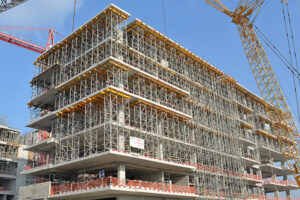
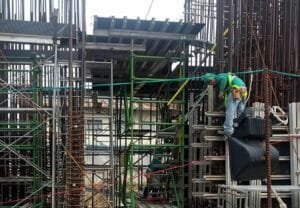
Material selection is a critical determinant of scaffolding costs, impacting not just the purchase price but also transportation, labor, maintenance, safety, and lifespan. Steel is stronger and cheaper upfront but heavier and prone to corrosion unless galvanized, while aluminum is lightweight and rust-resistant but has lower load capacity and higher per-kg cost. Coating treatments like hot-dip galvanization can triple product lifespan, reducing annualized costs. Procurement choices, such as buying scaffolding wholesale directly from a manufacturer like Qingdao WanchengTai, can lower unit costs and ensure quality compliance. For scaffolding staging, material choice affects assembly speed and portability, influencing labor expenses. A total cost of ownership analysis, rather than initial price, is essential. Avoid common pitfalls like ignoring environmental factors or underestimating freight. By selecting the right material mix and leveraging manufacturer expertise, buyers can achieve significant long-term savings and safety. WanchengTai offers a full range of customizable steel and aluminum scaffolding systems, engineered to optimize both cost and performance.
When planning a construction project, one of the most significant yet often overlooked factors in your budget is the scaffolding. Many buyers focus solely on the initial rental or purchase price, but the material composition of the scaffolding can dramatically influence your total cost of ownership, safety, and project efficiency. As a professional manufacturer and supplier, Qingdao WanchengTai (WanchengTai) understands that material selection is not just about meeting load requirements—it is about optimizing your investment. In this guide, we will break down how choosing the right steel, aluminum, or engineered material impacts your scaffolding cost estimate and why a strategic approach to sourcing scaffolding wholesale and scaffolding staging can save you thousands.
Whether you are a contractor, project manager, or procurement specialist, understanding the lifecycle cost of scaffolding materials is essential. Poorly chosen materials can lead to premature failure, higher maintenance, safety fines, and unexpected replacements. On the other hand, high-quality materials from a reliable manufacturer like WanchengTai can extend the lifespan, reduce downtime, and improve safety compliance. This article is written from both a technical engineering perspective and a procurement experience viewpoint to help you make the most cost-effective decision for your projects.
1. The Fundamentals: Why Material Selection Drives Cost
Scaffolding costs are not solely determined by the going rate per ton or per square meter. The material’s physical properties—strength, weight, corrosion resistance, and fatigue life—directly affect how much you will spend on transportation, erection, maintenance, and even insurance premiums. A seemingly cheap lightweight option can become expensive if it requires frequent repairs or cannot support the required load, leading to project delays.
undefined
From a manufacturer’s perspective, the base cost of raw materials (steel or aluminum) fluctuates globally, but the final price also includes processing, surface treatment, welding, and quality control. WanchengTai ensures that every component is manufactured to exacting standards, which contributes to a predictable and reasonable upfront cost. However, the true cost impact unfolds over the product’s lifespan. For instance, galvanized steel scaffolding has a higher initial cost than untreated steel, but it can last three to five times longer, reducing replacement frequency.
Moreover, material selection affects your ability to adapt scaffolding staging to different job sites. Heavy steel systems may require crane assistance, while aluminum systems can be hand-carried, reducing labor costs. The decision becomes even more critical when you consider safety regulations—non-compliant materials can lead to penalties and structural failures, which are the most expensive outcomes imaginable.
2. Steel vs. Aluminum: The Core Material Trade-off
The two dominant materials used in scaffolding are steel and aluminum. Each has unique characteristics that influence cost estimates in different ways. Let us compare them directly.
2.1 Steel Scaffolding: Strength and Durability
Steel, particularly Q235 or Q345 grade carbon steel, is the backbone of the scaffolding industry. It offers exceptionally high load-bearing capacity, making it ideal for heavy construction, bridgework, and industrial maintenance. Steel scaffolding systems are durable and can withstand harsh site conditions. However, steel is heavy, which increases shipping and handling costs. Additionally, without proper corrosion protection, steel can rust, leading to weakened structural integrity.
WanchengTai’s steel scaffolding is manufactured with a focus on wall thickness and weld quality. We offer both painted and hot-dip galvanized options. The hot-dip galvanizing process adds a layer of zinc that significantly enhances corrosion resistance, which is crucial for outdoor projects or humid environments. While the initial cost of galvanized steel is higher—typically 20-30% more than painted steel—the lifespan can be 15-20 years versus 5-7 years for painted steel. This long-term economy makes galvanized steel a smarter investment for companies that own their scaffolding fleet.
2.2 Aluminum Scaffolding: Lightweight and Portable
Aluminum scaffolding has become popular for tasks that require frequent relocation, such as interior finishing, electrical work, and maintenance. Aluminum’s weight is roughly one-third that of steel, which means lower transportation costs, easier manual assembly, and fewer required workers. It also has natural corrosion resistance, reducing maintenance needs.
The trade-off is that aluminum scaffolding generally has a lower load capacity than steel. It is not suitable for heavy masonry or concrete work. The material itself is more expensive per kilogram, but because less material is often needed due to its strength-to-weight ratio, the overall cost can be competitive. For scaffolding staging used in light commercial or residential projects, aluminum offers excellent operational efficiency. As a manufacturer, WanchengTai produces both steel and aluminum systems, allowing you to select the right material mix for your specific job types.
3. Coatings and Treatments: Hidden Cost Drivers
Surface treatment is one of the most critical yet underestimated aspects of material selection. It directly impacts corrosion resistance, durability, and therefore the total cost of ownership.
3.1 Hot-Dip Galvanization
Hot-dip galvanizing immerses steel components in molten zinc, creating a metallurgically bonded coating. This process provides excellent protection against rust and abrasive damage. The lifespan of hot-dip galvanized scaffolding can exceed 20 years under normal conditions. The cost increase over untreated steel is around 20-25%, but the extended lifespan often translates to lower annualized cost. When estimating your scaffolding budget, consider the replacement cost and maintenance frequency. WanchengTai strongly recommends galvanized products for projects in coastal regions or chemical plants.
3.2 Powder Coating and Painting
Powder coating and traditional painting are cheaper alternatives. They provide a cosmetic finish and some protection, but they are prone to chipping and scratching on site, which exposes bare steel to oxidation. Painted scaffolding may need repainting every few years, adding to maintenance labor and downtime. For short-term projects or indoor use, painted systems can be cost-effective, but for long-term ownership, galvanized is often more economical.
3.3 Anodizing for Aluminum
Aluminum naturally forms an oxide layer, but anodizing thickens this protective layer, improving corrosion resistance and wear. Anodized aluminum is more expensive but may be necessary for aggressive chemical environments. In most scaffolding applications, the natural oxide layer is sufficient, so anodizing is a niche requirement.
4. How Material Choices Affect Your Budget: A Detailed Breakdown
Let us examine the cost impact of material selection across various stages of the scaffolding lifecycle. Understanding these factors will help you create a more accurate cost estimate for your next project.
4.1 Initial Purchase Price
The upfront cost is the most visible number. However, it is essential to compare price per working load capacity, not just per ton. Steel is generally cheaper per ton than aluminum, but because aluminum is lighter, you get more components per ton. A manufacturer like WanchengTai can provide clear pricing for both materials, enabling you to calculate the cost per square meter of scaffold erected. Buying scaffolding wholesale from a direct manufacturer often reduces the initial cost by eliminating intermediary margins.
4.2 Transportation and Logistics
Weight directly impacts freight costs. A steel scaffold for a 1,000-square-meter project might weigh 15 tons, while an aluminum equivalent might weigh only 5 tons. If your project site is remote, the cost of transporting heavy loads can significantly inflate your budget. Additionally, steel scaffolding may require larger trailers and special load permits. For projects spanning multiple sites, the portability of aluminum can reduce vehicle movements and speed up mobilizations.
4.3 Erection and Dismantling Labor
Labor costs are often the largest component of scaffolding expenses. Heavier steel components require more labor and sometimes machinery. For instance, a standard 4-meter steel standard might weigh 30-40 kg, requiring two workers to handle. Aluminum components are significantly lighter, enabling one worker to handle them, reducing the number of workers needed by up to 50%. Over the course of a project, these labor savings can offset the higher material price of aluminum.
4.4 Maintenance and Repair
Materials that corrode or deform require frequent repairs. Galvanized steel and anodized aluminum minimize these costs. Painted steel, especially if scratched, will rust and eventually weaken joints and connections. Maintenance costs include labor, replacement parts, and downtime. Many contractors overlook this until they face a rusty, unsafe scaffold that cannot pass inspection.
4.5 Safety and Compliance Costs
Material quality directly impacts safety. Substandard materials may fail under load, leading to accidents, lawsuits, and project shutdowns. Compliance with standards such as OSHA or EN 12811-1 requires scaffolding to be in good condition. If your material is prone to deformations, you might need to discard more components, raising your replacement rate. Investing in high-strength, certified materials from WanchengTai ensures smoother inspections and lower risk exposure.
5. Material Selection for Scaffolding Wholesale and Staging Projects
Two common procurement scenarios highlight the importance of material choice: buying scaffolding wholesale and deploying scaffolding staging for events or maintenance. Each requires a different perspective.
5.1 Scaffolding Wholesale
If you are a scaffolding rental company or a large contractor, you likely purchase scaffolding wholesale to maintain a fleet. In wholesale buying, the unit price is crucial, but so is the mix of materials. For example, you may allocate 70% of your budget to galvanized steel ring-lock systems for heavy construction and 30% to aluminum mobile towers for quick maintenance jobs. This strategic mix balances upfront costs with long-term usability. WanchengTai offers wholesale pricing, flexible quantities, and customization options to help you build a versatile fleet without tying up unnecessary capital.
When buying wholesale, you should also consider the manufacturing lead time and quality consistency. A reliable manufacturer integrates material selection into the production process, ensuring every batch meets the same specifications. We at WanchengTai provide mill certificates and test reports for all materials, giving you confidence in the performance and cost predictability.
5.2 Scaffolding Staging
Scaffolding staging refers to temporary platforms used in concerts, photo shoots, access maintenance, or even industrial processes. For staging, the aesthetic appearance, easy assembly, and lightweight nature are often more important than maximum load capacity. Aluminum staging is a popular choice because it is easy to transport and set up. However, if the staging needs to support heavy equipment or dense crowds, steel frames with wooden platforms might be required. Material selection affects the rental rates and the structural engineering calculations. WanchengTai provides purpose-built staging systems with both materials, allowing you to tailor your solution to the specific event or work area.
For staging, the speed of assembly is critical. Lightweight materials can cut setup time by 30-40%, which is directly related to labor costs and overall event profitability. Additionally, non-slip surfaces and durable connections are essential to avoid accidents. Our engineers can recommend the appropriate material based on your load requirements and budget.
6. Technical Considerations: Material Properties and Cost
A cost estimate without understanding material properties is unreliable. Below is a technical breakdown that every buyer should review.
6.1 Load-Bearing Capacity
The yield strength of steel is typically 235 MPa (Q235) or 345 MPa (Q345), while structural aluminum (6061-T6) has a yield strength of about 240 MPa. However, modulus of elasticity for aluminum is about 69 GPa versus 200 GPa for steel, meaning aluminum is stiffer per unit weight but deflections can be higher. This affects the spacing of standards and the overall scaffold stability. When estimating costs, remember that a steel scaffold may use fewer standards because of its High stiffness, but the weight reduces the allowable distance. Engineering calculations are necessary to determine the exact quantity of materials required for a given load. An optimized design can lower material costs by reducing excess components. WanchengTai’s fabrication expert can assist with load charts and customization.
6.2 Corrosion Resistance
The environment plays a huge role. Coastal projects with salt-laden air will quickly corrode untreated steel. Using galvanized steel or all-aluminum scaffolding is often less costly in the long run than replacing rusted components after a few months. Material testing proves that galvanizing can protect against rust for decades. When evaluating quotes, ask about the coating thickness. WanchengTai uses a zinc layer of 65-85 microns, exceeding industry standards.
6.3 Weight and Portability
For projects where the scaffold must be moved frequently, the weight per component is a major factor. Consider the number of times a component will be lifted and moved over its lifetime. A 10% reduction in weight can lead to a 20% reduction in manual handling costs. This is why aluminum is favored for access systems. However, be cautious: the lower density of aluminum means larger tube diameters are needed for the same strength, which might increase the size of packages and reduce truck space utilization.
6.4 Fatigue and Fracture Resistance
Repeated loading and unloading can cause fatigue cracks in any material. Steel has a higher fatigue endurance limit, meaning it can withstand more cycles without failure. Aluminum does not have a distinct endurance limit, so it is more susceptible to stress fractures if used in high-vibration environments. Material selection must account for the cyclic loading pattern of the scaffold. A scaffold that is assembled and dismantled monthly will need to be more robust than one that remains in place for a year. This can impact your replacement cost and safety risks.
7. Cost Estimation: A Comparative Table
To simplify the impact of material selection, here is a comparative cost analysis based on typical market data. Actual numbers vary, but the ratios provide a reliable framework.
| Factor | Steel (Painted) | Steel (Galvanized) | Aluminum |
|---|---|---|---|
| Initial Cost per kg | 1.0 (baseline) | 1.2 – 1.3 | 2.5 – 3.0 |
| Weight per component | Heavy (baseline) | Similar to steel | ~30% of steel |
| Lifespan (years) | 5-7 | 15-20 | 20+ (with care) |
| Maintenance Cost | High | Low | Low |
| Transport Cost | High | High | Low |
| Labor Cost for Erection | High | High | Low |
| Best Application | Heavy, permanent structures | Outdoor, long-term projects | Quick jobs, staging, interior work |
This table demonstrates that a life-cycle cost analysis is essential. The lowest initial cost material is not always the cheapest overall. For example, painted steel scaffolding may have a low purchase price, but its short lifespan and heightened maintenance make it more expensive per year than galvanized steel. WanchengTai recommends a total cost of ownership model when comparing quotes.
8. Procurement Strategies from a Manufacturer’s Perspective
As a Chinese manufacturer, WanchengTai has seen many buyers make the mistake of prioritizing the lowest pre-shipment price. In this section, we offer practical procurement insights to help you make a smart, long-term investment.
8.1 Buying Direct from WanchengTai
Working directly with a manufacturer eliminates intermediary costs that inflate your scaffolding purchase. At WanchengTai, our dedicated sales team works with you from inquiry to delivery. We offer factory prices, free samples for evaluation, and full technical support. Because we control the production, we can adjust the material specifications to meet your project requirements, such as custom lengths, coating thickness, and color coding. This flexibility enables you to optimize your cost estimate without sacrificing quality.
8.2 Bulk Purchasing Benefits
If you are planning multiple projects or repeating contracts, buying scaffolding wholesale in bulk is the most effective way to reduce unit costs. Bulk orders allow us to optimize raw material procurement and manufacturing schedules, resulting in lower prices and preferential freight rates. Moreover, consistent demand enables us to hold raw material inventory, shortening lead times. We also offer consignment and lease-purchase options for large-scale clients, helping you manage cash flow.
8.3 Quality Assurance and Certification
Material selection is only part of the equation; you must also ensure the manufactured products meet international standards. WanchengTai’s scaffolding systems are tested and certified by approved third-party labs, including CE, ISO, and SGS. Our quality control checks every weld, every coating thickness, and every component dimension. This reduces the need for on-site inspections and potential rework.
9. Common Mistakes to Avoid When Estimating Scaffolding Costs
Through our years of experience, we have identified several pitfalls that can distort your cost estimate. Avoid these errors to stay within budget.
- Ignoring the local environment: Not accounting for humidity, temperature, or chemical exposure can lead to rapid deterioration of poor materials. Always request corrosion-resistant materials for severe conditions.
- Choosing material based solely on density: A low-density material is not inherently cheap if it requires more components to achieve the same strength. Always evaluate the system’s load tables.
- Forgetting freight cost: A material that costs 5% more but weighs 30% less can save enough in shipping to justify the premium.
- Underestimating labor rates: If labor is scarce or expensive, choose lighter materials to minimize the number of workers and time.
- Not considering rental revenue: If you are a scaffolding rental company, the uptime of your equipment determines your revenue. High-maintenance materials reduce your fleet availability and profitability.
- Buying without a representative sample: Always inspect a sample product before placing a large order. A professional supplier will provide samples and can show test certifications.
10. Conclusion: Choose Wisely to Maximize ROI
Material selection is not a trivial line item in your scaffolding cost estimate—it influences every aspect of project execution, from logistics to safety. By working with a reputable manufacturer like Qingdao WanchengTai, you gain access to expert guidance that aligns your material choices with your operational and financial goals. We provide a complete range of steel and aluminum scaffolding systems, including ring-lock, cuplock, Kwikstage, frame scaffolding, and modular staging. Our wholesale pricing and customization options ensure you receive the best possible value.
Before making your next purchase, evaluate the total lifespan cost, talk to our engineers about your specific site conditions, and request a detailed quotation that breaks down material, coating, weight, and freight. This approach will not only help you control your initial budget but also reduce unexpected expenses over the project lifecycle. At WanchengTai, we are committed to helping you build safely and profitably.
If you are ready to optimize your scaffolding cost estimate, contact our team at Qingdao WanchengTai today. We look forward to being your long-term partner in construction excellence.
Tags:scaffolding system manufacturer,fornecedor de andaimes,scaffolding manufacturer,kwikstage scaffolding system supplier,cuplock scaffolding system supplier,scaffolding system price