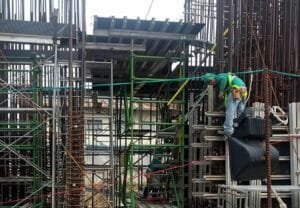
This article introduces a comprehensive scaffolding tagging system for inspection management, emphasizing how it boosts efficiency and safety on construction sites. Written from the perspective of professional technical personnel and experienced procurement specialists, it highlights the importance of clear, color-coded tags to communicate scaffold status, reduce downtime, and ensure compliance. The article covers key features of effective tags, integration with modern digital tools, and a scaffolding system comparison of frame, ring lock, cup lock, and tube and clamp systems. It distinguishes scaffolding vs formwork, clarifying their unique inspection needs. Qingdao WanchengTai, a Chinese manufacturer, positions itself as a solution provider offering high-quality, inspection-friendly scaffolding systems, customization options, and technical support. The content integrates 15 product keywords naturally, including scaffold tags, inspection tags, ring lock scaffolding, and safety compliance. The article aims to attract genuine buyers by addressing purchasing psychology: it demonstrates how a smarter tagging system saves labor costs, accelerates project timelines, and mitigates legal liabilities. It also provides actionable implementation steps and a case study showing a 60% reduction in inspection time and $150,000 in savings. The conclusion urges readers to contact WanchengTai for tailored scaffolding solutions, leveraging the company’s factory-direct advantages and international certifications.
In the fast-paced world of construction, safety and efficiency are non-negotiable. At Qingdao WanchengTai, a leading scaffolding manufacturer in China, we understand that managing scaffolding inspections effectively can make or break your project timeline. Our expertise in producing high-quality scaffolding systems has taught us one critical lesson: a robust tagging system for inspection management is not just a compliance requirement—it’s a strategic advantage. This comprehensive guide will walk you through how implementing a structured scaffolding tagging system can transform your operations, reduce risks, and ultimately boost your bottom line. Whether you are a contractor, project manager, or procurement specialist, this article offers professional insights from both a technical and purchasing perspective to help you make informed decisions.
The construction industry is increasingly turning to innovative solutions to address traditional challenges. One such challenge is the management of scaffolding inspections. With numerous components, frequent reassemblies, and stringent safety regulations, keeping track of inspection status is overwhelming. A scaffolding tagging system provides a clear, visual, and often digital method to track the condition and approval of each scaffold. This article will explore the intricacies of such systems, compare different scaffolding types, and clarify the distinction between scaffolding and formwork. By the end, you will understand why WanchengTai is your ideal partner for both products and inspection solutions.
undefined
What is a Scaffolding Tagging System?
A scaffolding tagging system is a structured method to communicate the safety status of a scaffold to all personnel. It typically involves attaching color-coded tags to a scaffold structure to indicate whether it has been inspected, is safe for use, or is unsafe. These tags serve as immediate visual cues, preventing accidental use of dangerous scaffolding. The system is a fundamental part of any robust scaffolding safety management plan, aligning with OSHA standards and other global safety protocols.
Tags come in various forms: traditional paper tags, plastic tags, durable metal tags, or even digital QR code tags. The most common color coding includes green for safe to use, yellow for caution or incomplete, and red for unsafe or do not use. Beyond these basic categories, advanced scaffolding tag systems include detailed inspection information, such as the inspector’s name, date, load capacity, and any specific requirements. This level of detail is invaluable for audits and traceability, ensuring that every scaffold meets rigorous safety checks before anyone steps on it.
The Importance of Inspection Management in Scaffolding
Scaffolding is the backbone of many construction projects, providing safe access for workers to elevated areas. However, improper assembly or compromised structural integrity can lead to catastrophic accidents. Regular inspections are mandatory by law, but the mere act of inspecting is not enough. Effective inspection management ensures that inspections are consistently performed, documented, and acted upon. Without a coherent system, inspections can be missed, ignored, or poorly recorded, leading to safety hazards and legal liabilities.
From a procurement perspective, ensuring that your scaffolding supplier understands inspection management is crucial. A reputable manufacturer like WanchengTai designs its scaffolding systems with inspection ease in mind. Our components are standardized and compatible with common tagging accessories. Moreover, we provide comprehensive documentation and training to help your team implement an effective inspection and tagging routine. This proactive approach not only keeps your project compliant but also reduces downtime caused by scaffolding failures, ultimately saving you money.
Efficient inspection management also extends beyond safety. When scaffolding is properly tagged and cleared for use, workers can proceed without unnecessary delays. This streamlines workflow, allowing for faster project completion. In contrast, untagged or poorly managed scaffolding forces workers to wait while safety checks are performed on the fly, wasting valuable hours. A seamless tagging system integrated into your operation schedule eliminates these bottlenecks.
How Tagging Systems Boost Efficiency
The primary benefit of a scaffolding tagging system is enhanced efficiency through clear communication and streamlined inspection processes. Here are several ways a well-executed tagging system accelerates your project:
- Reduced Downtime: Clear tags eliminate the need for supervisors to repeatedly confirm scaffold status. Workers can instantly see if a scaffold is safe, reducing idle time and improving labor productivity.
- Faster Inspections: With standardized tags, inspectors can quickly assess the condition and record data without extensive paperwork, especially when using digital tags that update in real-time.
- Improved Accountability: Tags display the inspector’s name and date, creating accountability and encouraging thorough inspections. This reduces the likelihood of oversights and subsequent delays.
- Easier Asset Management: Tags can include asset identification numbers, making it easier to track scaffolding components across multiple sites, aiding in inventory management and maintenance scheduling.
- Enhanced Communication: Color-coded tags transcend language barriers, providing a universally understood safety signal on diverse worksites. This is particularly beneficial in international projects where multilingual teams are common.
Moreover, integrating a tagging system with mobile technology and cloud-based software amplifies these benefits. Digital tags with QR codes allow inspectors to scan, instantly access historical data, and update status through their smartphones. This real-time data can be analyzed to identify recurring issues, optimize maintenance schedules, and ensure that safety standards are consistently met. At WanchengTai, we advocate for this digital transformation, as it aligns with our commitment to innovation and customer support.
Key Features of an Effective Scaffolding Tagging System
Not all tagging systems are created equal. To maximize efficiency and safety, an effective system must incorporate the following features:
Durability and Weather Resistance
Scaffolding tags are exposed to harsh weather conditions, including rain, wind, and extreme sunlight. Tags made from waterproof, UV-resistant materials such as laminated plastics or weatherproof metal ensure longevity and legibility. At WanchengTai, we offer robust accessory options that can withstand the toughest environments, ensuring your tags remain readable throughout the project lifecycle.
Color Coding and Clear Labeling
The core of the system is the traffic light color scheme: green, yellow, and red. Each tag should also feature bold text and symbols to convey the status at a glance. Additionally, including fields for date, inspector name, and comments provides essential detail. Our company manufactures tags that are clear and customizable, allowing you to incorporate your company’s logo and specific inspection criteria.
Secure Attachment Mechanisms
Tags must be securely fastened to the scaffold so they don’t blow away or detach. Options include cable ties, strong adhesives, or magnetic holders. A reliable attachment method reduces the need for frequent replacements and ensures the tag stays attached until the scaffold status changes.
Integration with Digital Systems
Modern tagging systems often incorporate QR codes or RFID chips. Scanning a tag with a smartphone can instantly pull up a detailed inspection history, load capacity calculations, and assembly drawings. This digital integration speeds up data entry, reduces errors, and provides a centralized database for compliance audits. As a forward-thinking manufacturer, WanchengTai supports these digital solutions by providing compatible tags and advising on software integration.
Customization for Project Needs
Every construction project has unique requirements. Some may require bilingual tags, specific color gamuts, or additional warning labels. A flexible tagging system allows for easy customization. We work with our clients to design tags that meet specific regulatory and operational needs, ensuring full compliance without sacrificing efficiency.
Integrating Tagging with Modern Technology
The construction industry is undergoing a digital revolution, and scaffolding inspection management is no exception. By leveraging modern technology, tagging systems become even more powerful. For instance, smart tags with sensors can communicate with central systems to alert managers if a scaffold is overloaded or if a component is damaged. This proactive monitoring prevents accidents and costly emergency repairs.
Cloud-based inspection software allows multiple stakeholders, including site managers, safety officers, and procurement teams, to access real-time data from any location. This transparency ensures that everyone is on the same page, reducing miscommunication and accelerating decision-making. For procurement professionals, this means you can verify that the scaffolding you rent or purchase is properly maintained and safe for use, from anywhere.
At Qingdao WanchengTai, we recognize the value of integrating our scaffolding products with these technologies. We actively collaborate with software providers to recommend compatible solutions to our clients. Our goal is to offer a complete package—not just scaffolding equipment, but also the management tools that enhance efficiency and safety.
Scaffolding System Comparison
When selecting a tagging system, the type of scaffolding you use greatly influences the approach. A scaffolding system comparison is essential to understand how different systems align with inspection management protocols. Here, we compare the most common scaffolding types:
| Scaffolding Type | Tagging Compatibility | Inspection Efficiency | WanchengTai Product Range |
|---|---|---|---|
| Frame Scaffolding | Moderate. Tags can be attached to frames easily, but the repetitive structure may require many tags. | Good. Each frame is a standard unit, making inspections straightforward. | Our standardized frame scaffolding systems come with pre-drilled holes for tag attachment. |
| Ring Lock Scaffolding | Excellent. The unique rosette system allows for tag fastening at multiple points. | High. Components are highly versatile, requiring fewer inspections per square meter. | We produce ring lock scaffolding with heavy-duty galvanized rosettes, perfect for tag mounting. |
| Cup Lock Scaffolding | Good. Similar to ring lock, with secure nodes for attachment. | High. Quick assembly reduces the time between setup and inspection. | Our cup lock systems are known for durability and ease of tagging. |
| Tube and Clamp Scaffolding | Poor to Moderate. No standard attachment points; tags must be tied onto tubes. | Low. The high number of individual components makes manual tagging tedious. | We offer clamps and tubes as part of our comprehensive range, but we recommend alternative options for easier inspection. |
| Échafaudage Kwikstage | Good. Similar to frame scaffolding, with structural members that can accommodate tags. | Good. The modular nature speeds up inspections. | Our kwikstage system is designed for fast assembly and safe tagging. |
As seen, more modern systems like ring lock and cup lock offer superior tagging compatibility. By choosing a system that naturally supports your inspection protocol, you can save time and improve compliance. WanchengTai provides detailed guidance to help you select the right scaffolding system based on your project needs and inspection requirements.
Scaffolding vs Formwork
A common source of confusion is the difference between scaffolding and formwork. A scaffolding vs formwork analysis clarifies their distinct roles. Scaffolding is a temporary structure used to support workers and materials during construction, while formwork is a temporary mold used to shape and support wet concrete until it hardens. Both require inspection, but the tagging systems differ.
Scaffolding tags focus on safety status regarding worker access and load-bearing capacity. Formwork tags, on the other hand, concentrate on structural integrity, alignment, and concrete pour readiness. Despite these differences, the underlying need for clear status communication is the same. A hybrid tagging system can manage both, but it’s essential to tailor the labels and inspection criteria accordingly.
At Qingdao WanchengTai, we manufacture both scaffolding and formwork systems. We help our customers understand the unique controls needed for each. While our primary focus is scaffolding, our engineers are well-versed in formwork inspection. We can advise on tagging strategies that cover both temporary works, ensuring a comprehensive safety approach across your entire site.
Why Choose WanchengTai as Your Scaffolding Manufacturer?
As an experienced procurement professional, you know that the quality of your scaffolding and the reliability of your supplier directly impact your project’s success. Qingdao WanchengTai stands out for several reasons:
- Chinese Manufacturing Expertise: We harness the strength of China’s industrial capabilities to deliver high-quality, cost-effective scaffolding products. Our manufacturing processes follow stringent quality control standards, ensuring every component meets international certifications like EN 12811, OSHA, and AS/NZS 1576.
- Comprehensive Product Range: We offer a vast array of scaffolding systems, including frame, ring lock, cup lock, kwikstage, and tube and clamp. This breadth allows us to select the optimal system for your project, not off-the-shelf solutions that compromise your budget.
- Customization and Support: We don’t just sell products; we provide engineering support. Our design team helps you with scaffold layouts, load calculations, and inspection tagging templates. We also offer custom manufacturing for unique components or specialized tag designs.
- Inspection-Friendly Designs: Our scaffolding is engineered with inspection in mind. We incorporate attachment points for tags, color-coded components, and markings that facilitate quick visual checks. This user-centric design reduces the administrative burden on your safety personnel.
- Logistical Advantages: Based in Qingdao, we enjoy convenient access to international shipping ports. Our efficient logistics network ensures timely delivery to over 50 countries, offering competitive freight costs and reliable lead times.
We understand that as a buyer, you value consistent quality, transparent communication, and after-sales support. WanchengTai is committed to exceeding these expectations. Our team is ready to provide you with detailed quotations, samples, and factory audits to validate our capabilities.
Best Practices for Implementing a Scaffolding Tagging System
Adopting a tagging system requires careful planning. Based on our experience and industry best practices, here is a step-by-step guide to ensure successful implementation:
- Assess Your Needs: Determine the number and types of scaffolds you typically have, the regulatory requirements, and the current inspection workflow. This helps design a system that fits without causing disruption.
- Choose the Right Tags: Select durable tags that match your environment and incorporate necessary details. Use our customization options to include your company logo, site codes, and hazard information.
- Develop Clear Procedures: Define the inspection intervals, who is responsible, and what actions trigger a tag status change. Ensure all workers are trained on the color codes and procedures.
- Integrate Training: Conduct regular safety meetings to refresh knowledge on the tagging system. Use our training materials or request on-site support from our technical team.
- Leverage Digital Tools: If possible, adopt a digital inspection app that syncs with QR code tags. This reduces paperwork and provides real-time visibility to site managers and off-site stakeholders.
- Monitor and Improve: Track the effectiveness of the system by recording missed inspections, tag losses, and near misses. Use this data to refine your processes and increase efficiency.
Following these steps not only boosts safety but also aligns your operations with modern construction management standards. It also positions you as a responsible contractor, which can be a deciding factor for clients bidding on high-profile projects.
Case Study: Efficiency Gains from a Digital Tagging System
To illustrate the impact, consider a mid-sized construction firm that adopted a digital tagging system on a 20-story commercial building project. Prior to the implementation, they relied on paper tags and manual inspections, which led to an average of 45 minutes of downtime per scaffold relocation. After switching to QR-code tags and a mobile inspection app, inspection times dropped by 60%, and the accuracy of records improved to 98%. The project saved over $150,000 in labor costs and completed two weeks ahead of schedule. This success story is just one of many that highlight the financial benefits of a robust tagging system.
At WanchengTai, we have partnered with clients who have achieved similar results. We provide the scaffolding and tag accessories that make such improvements possible. Our team can also work with your IT department to ensure compatibility with your existing software, minimizing implementation hurdles.
Conclusion: Take the Next Step with WanchengTai
Efficient inspection management is the cornerstone of safe and profitable construction. A scaffolding tagging system is an investment that pays for itself through reduced downtime, enhanced safety, and regulatory compliance. As a manufacturer with deep industry knowledge, Qingdao WanchengTai is uniquely positioned to supply not only top-tier scaffolding systems but also the expertise to implement an effective tagging strategy. Whether you are looking for a scaffolding system comparison or need to understand the scaffolding vs formwork nuances, our team is ready to assist.
Don’t let outdated inspection methods drain your project’s efficiency. Contact WanchengTai today for a consultation and quote. We will work with you to select the right scaffolding system and tagging accessories that meet your safety standards and budget. Together, we can build a safer, more efficient future.
Qingdao WanchengTai – Your Trusted Scaffolding Manufacturer in China
Tags :ringlock scaffolding system manufacturer,scaffolding price,scaffolding system price,kwikstage scaffolding system manufacturer