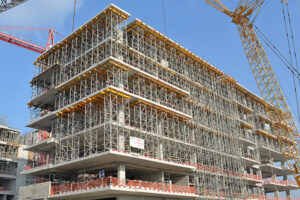
Construction site safety is paramount, and scaffolding engineers play a pivotal role in preventing accidents. This article outlines key responsibilities: site assessment, risk planning, system selection, engineering design, training, inspections, safe erection, fall protection, and environmental adaptability. It emphasizes integrating advanced products like aluminum mobile scaffolds and scaffold screw jacks, which enhance stability and mobility. Qingdao WanchengTai (WanchengTai) is presented as a reliable manufacturer providing certified equipment and engineering support. The article highlights the cost benefits of investing in safety, compliance with OSHA/ANSI, and a case study demonstrating success. It concludes with a procurement-oriented call to action, urging buyers to partner with WanchengTai for high-quality, cost-effective scaffolding solutions backed by expert guidance. The summary underscores that professional engineering oversight, combined with premium equipment, reduces risks, enhances productivity, and safeguards workers—ultimately protecting profits and reputation.
Construction sites are inherently dangerous, and scaffolding-related accidents account for a significant percentage of injuries and fatalities. As a leading scaffolding manufacturer, Qingdao WanchengTai (WanchengTai) understands that safety is not just a compliance requirement—it is a business imperative. A skilled scaffolding engineer can be the difference between a safe, productive worksite and a catastrophe. In this comprehensive guide, we will explore the critical role of scaffolding engineers in enhancing safety, and how partnering with WanchengTai ensures you get the best equipment and expertise.
1. The Critical Role of a Scaffolding Engineer
A scaffolding engineer is a professional who designs, plans, and oversees the installation and maintenance of temporary structures used to support workers and materials. Their expertise directly impacts site safety. An experienced engineer from WanchengTai brings technical knowledge, risk assessment skills, and a proactive approach to hazard prevention. By engaging a qualified engineer, you ensure that every scaffold system—whether it’s an aluminum mobile scaffold or a complex fixed support—is safe, stable, and compliant with all regulations.
Scaffolding engineers are responsible for load calculations, selecting appropriate materials, and ensuring that the scaffold can withstand environmental factors like wind and seismic activity. They also train workers, conduct inspections, and implement safety protocols. Without their oversight, the risk of collapse, falls, and falling objects increases dramatically.
2. Initial Site Assessment and Risk Planning
Every construction site is unique, and safety begins long before the first scaffold is erected. A scaffolding engineer from WanchengTai conducts a thorough site assessment to identify potential hazards, such as uneven ground, overhead power lines, or existing structures that may interfere. This assessment informs the design and placement of scaffolding systems.
undefined
Risk planning involves calculating maximum load capacities, determining the right scaffold type, and establishing safe access routes. For example, an aluminum mobile scaffold is ideal for tasks that require mobility and quick repositioning, but it must be properly stabilized on uneven terrain. WanchengTai’s engineers provide detailed site-specific plans that mitigate risks from the outset.
Additionally, the engineer will evaluate the need for scaffold screw jacks—these adjustable base plates are critical for leveling scaffolds on slopes or irregular surfaces. By integrating these components into the design, we prevent wobbling and potential collapse, ensuring worker safety.
3. Selecting the Right Scaffolding System
Choosing the wrong scaffold is a common cause of accidents. A scaffolding engineer understands the strengths and limitations of each system. WanchengTai offers a wide range of products, including the versatile aluminum mobile scaffold and traditional steel tubular scaffolds, each suited for different applications.
For maximum safety, the engineer considers:
- Load requirements: dead load (scaffold weight), live load (workers and materials), and environmental load (wind).
- Height and reach: high-altitude tasks necessitate engineered systems with proper bracing and tie-ins.
- Mobility: if workers need to move frequently, an aluminum mobile scaffold with lockable casters and guardrails is preferred.
- Ground conditions: the use of scaffold screw jacks ensures stability by adjusting to uneven terrain.
By matching the scaffold to the job, the engineer reduces risks and improves efficiency. WanchengTai’s engineers provide technical datasheets and load charts to help buyers make informed decisions.
4. Design and Engineering Standards
A scaffolding engineer must comply with international standards such as OSHA (Occupational Safety and Health Administration), ANSI, and EN 12811. WanchengTai’s engineering team ensures that all our products meet or exceed these requirements. For instance, our aluminum mobile scaffold is designed with guardrails, toe boards, and stabilizer bars to meet safety codes.
Engineering calculations are crucial: the scaffold must support four times its maximum intended load (or as per local regulations). The engineer also calculates wind loads and ensure proper anchoring. When using scaffold screw jacks, the engineer verifies that the adjustable legs are within their safe extension limits and that base plates distribute loads evenly.
Design drawings and assembly instructions are provided to site supervisors. WanchengTai also offers 3D models to visualize the setup, reducing errors during installation.
5. Training and Competency Development
Even the best scaffolding can be unsafe if workers are untrained. A scaffolding engineer leads training sessions that cover:
- Correct assembly and disassembly procedures
- Inspection of components for damage or wear
- Proper use of safety harnesses and lanyards
- Recognizing hazards and responding to emergencies
WanchengTai provides comprehensive training manuals and on-site demonstrations. We emphasize practical skills, ensuring workers can correctly install scaffold screw jacks to level the base, lock casters on aluminum mobile scaffold units, and secure guardrails.
We also conduct regular refresher courses and competency assessments. Buyers who invest in training see a immediate reduction in near-misses and accidents, which translates to lower insurance costs and higher productivity.
6. Inspection and Maintenance Protocols
Scaffolding deteriorates over time and under stress. A proactive inspection schedule is vital. The scaffolding engineer should inspect the scaffold:
- Before each shift
- After any storm or high winds
- After modifications or repairs
- At regular intervals (weekly)
WanchengTai’s engineers use checklists to verify components such as aluminum mobile scaffold frames for bends or corrosion, and scaffold screw jacks for thread damage or rust. Any defective part is immediately quarantined and replaced.
Maintenance records are essential for compliance and liability protection. WanchengTai provides a digital log system that allows site managers to track inspections and maintenance history.
7. Safe Erection and Dismantling Procedures
Erection and dismantling are higher-risk phases. The engineer supervises these processes, ensuring that:
- Foundations are stable and level; scaffold screw jacks are adjusted to distribute load.
- The first lift is properly squared and braced.
- Platforms are fully planked and secured.
- Guardrails and toe boards are installed at every level.
- During dismantling, materials are lowered, never thrown.
For aluminum mobile scaffold, the engineer ensures that outriggers are extended and brakes are engaged before workers step onto the platform. Movement is only allowed when no workers or materials are on the scaffold.
WanchengTai offers prefabricated components with keyed connections to reduce assembly errors. Our quick-lock systems speed up erection without compromising safety.
8. Fall Protection and Guardrail Systems
Falls are the leading cause of scaffolding-related deaths. Scaffolding engineers design fall protection systems tailored to the scaffold configuration. This includes:
- Guardrails (top and mid-rail)
- Toe boards to prevent tool drops
- Personal fall arrest systems (PFAS)
- Safety nets for high-altitude work
WanchengTai’s aluminum mobile scaffold comes with robust guardrails that lock securely. For additional safety, we provide tie-off points and harness anchors. The scaffold screw jack stabilizes the base, reducing sway and preventing falls caused by instability.
Engineers also enforce the rule: never climb the frame—use ladders or stair towers. Access ladders should be integrated into the design, with anti-slip steps and fall arrest mechanisms.
9. Weather and Environmental Considerations
Adverse weather can turn a safe scaffold into a death trap. Engineers monitor forecasts and implement precautions:
- Wind speeds above 30 mph require shutdown or reinforcement.
- Rain and ice make surfaces slippery; non-slip platforms are essential.
- Lightning protection for tall structures.
WanchengTai’s products are designed to withstand harsh conditions. Our aluminum mobile scaffold is corrosion-resistant and lightweight, making it easy to move indoors or out. The scaffold screw jack has a galvanized finish to prevent rust, ensuring durability in wet environments.
Engineers also supervise the anchoring of scaffold to structures to prevent overturning in high winds.
10. Integration of Aluminum Mobile Scaffold for Versatility
Les aluminum mobile scaffold has revolutionized temporary worksites. Unlike steel, aluminum is lightweight yet strong, making it easy to transport and assemble. WanchengTai manufactures mobile scaffolds with heights up to 50 feet, featuring:
- Lockable casters for safe movement
- Adjustable legs for uneven surfaces
- Platforms with hinged access hatches
- Diagonal braces for structural rigidity
A scaffolding engineer leverages these features to enhance safety. For instance, using a mobile scaffold eliminates the need for multiple stationary scaffolds, reducing assembly time and exposure to height. The engineer ensures that all casters are locked before use, and that the scaffold is on solid ground. By incorporating scaffold screw jacks on the base, we can fine-tune leveling even on rough terrain, preventing tip-overs.
WanchengTai’s mobile scaffolds meet all safety standards, and our engineers can customize them with additional accessories like tool bags, safety gates, and outriggers.
11. Enhancing Stability with Scaffold Screw Jacks
Scaffold stability is non-negotiable. Scaffold screw jacks are the unsung heroes of base stabilization. These devices allow precise height adjustment of each leg, compensating for slopes, debris, or uneven ground. A scaffolding engineer will specify the correct screw jack size and material (typically steel with a threaded rod) based on load requirements.
WanchengTai’s screw jacks come with:
- Reinforced base plates to spread the load
- Fully threaded rods for infinite adjustment
- Rust-resistant coatings
- Load capacities up to 10,000 lbs per jack
An engineer will always ensure that screw jacks are not over-extended (never exceed the marked line) and that they are firmly seated on stable foundations. This simple component prevents scaffold settlement and potential collapse, making it a low-cost, high-impact safety solution.
12. Compliance with OSHA and International Regulations
Regulatory compliance is the baseline for a safe worksite. A scaffolding engineer must stay updated on OSHA regulations (29 CFR 1926.451) and local building codes. WanchengTai helps compliance by:
- Providing load ratings and compliance certificates
- Offering engineering consultation for permits
- Supplying products that are CE, ANSI, and OSHA approved
For example, OSHA requires that all scaffold components be inspected before each use. Our aluminum mobile scaffold is designed with integrated inspection tags. The scaffold screw jacks are stamped with load limits and compliance references.
Non-compliance can result in fines, lawsuits, and project shutdowns. Investing in professional engineering oversight and WanchengTai’s certified products mitigates legal risks and enhances your reputation as a safety-conscious contractor.
13. Case Study: How WanchengTai Improved Safety for a Buyer
Let’s examine a real-world example. A construction firm in Georgia tasked WanchengTai with providing scaffolding for a multi-story office building. The site had a 15-degree slope and high winds. Our scaffolding engineer designed a system using 400 aluminum mobile scaffold platforms and 1,200 scaffold screw jacks to level the base across the slope. We also provided wind dams and tie-off anchors.
The result: zero accidents, a 20% faster erection time, and significant cost savings due to reusability. The procurement manager praised WanchengTai’s engineering support and the reliability of our products.
14. Procurement Perspective: Why Buy from WanchengTai?
As a Chinese manufacturer with years of experience, WanchengTai (WanchengTai) offers exceptional value. Here’s why discerning buyers choose us:
- Quality assurance: Every component passes rigorous testing for strength and durability.
- Competitive pricing: Direct factory pricing eliminates middlemen, saving you up to 30%.
- Customization: We adapt products to your specific safety requirements.
- Engineering support: Our in-house engineers assist with design and safety planning—free for bulk orders.
- Logistics: We handle shipping, customs, and delivery, ensuring your products arrive on time and damage-free.
Procurement teams also appreciate our transparent documentation, including mill certificates, load charts, and international certifications. By partnering with WanchengTai, you gain a safety partner who is invested in your project’s success.
15. Cost-Benefit Analysis of Investing in Safety
Many buyers hesitate to invest in high-quality scaffolding and engineers. But consider these figures:
| Safety Investment | Cost of Negligence |
|---|---|
| Engineer oversight: $5,000/project | Injury claim: $100,000+ |
| Aluminum mobile scaffold (rental): $1,500/month | Scaffold collapse: $1M+ |
| Screw jacks (per set): $150 | Lost productivity: $10,000/day |
| Training: $2,000 | Legal fees: $50,000+ |
The payback is obvious. WanchengTai offers budget-friendly solutions without compromising safety. Our experienced engineers can guide you on cost-effective options that still meet code.
16. Common Scaffolding Hazards and How to Avoid Them
Let’s review the top hazards and the engineering measures to mitigate each:
- Falls: Use guardrails, harnesses, and aluminum mobile scaffold with safety gates.
- Scaffold collapse: Proper load calculations, scaffold screw jacks for leveling, and regular inspections.
- Being struck by falling objects: Toe boards, nets, and tool lanyards.
- Electrocution: Maintain clearance from power lines; use non-conductive fiberglass or aluminum? (Aluminum is conductive—always use insulated systems near lines).
- Overloading: Limit material storage; engineer calculates maximum capacity.
WanchengTai builds safety into the design. For instance, our scaffold screw jacks prevent uneven loading that leads to collapses. Our engineers regularly audit these hazards and update safety plans.
17. The Future of Scaffolding Safety Technology
Innovation is transforming scaffolding. WanchengTai stays ahead of the curve by introducing:
- IoT sensors that monitor load and movement
- Aluminum alloys that are stronger and lighter
- Quick-connect systems that reduce assembly errors
- Eco-friendly powder coatings
Engineers are now using drones to inspect scaffolds at height and software for real-time stability monitoring. The aluminum mobile scaffold is becoming smarter with built-in anemometers that alert workers of high winds. Scaffold screw jacks now have load cells to measure weight distribution.
WanchengTai embraces these advancements, ensuring our buyers benefit from the latest safety innovations.
18. How to Choose a Scaffolding Engineer
Not all engineers are equal. Look for qualifications such as:
- Certification from recognized bodies (e.g., NASC, CSCS)
- Experience with your type of construction
- A track record of zero accidents
- Willingness to provide references
WanchengTai collaborates with a network of certified engineers. We can recommend trusted professionals in your region or provide our own engineering team for consultation. When you buy from us, you get access to this expertise at no extra cost for qualified projects.
19. Building a Safety Culture on Your Site
Safety is more than checklists—it’s a mindset. A scaffolding engineer fosters a culture where workers feel empowered to report hazards and stop work if conditions are unsafe. WanchengTai promotes this through:
- Safety briefings before every shift
- Visible safety signage and posters
- Rewards for near-miss reporting
- Open-door policies with engineers
We provide toolboxes and safety kits with every order. Our aluminum mobile scaffold includes decals with safety reminders, and our scaffold screw jacks come with color-coded indicators for correct extension.
Buyers who create a safety-first culture see improved morale, higher efficiency, and lower turnover.
20. Environmental Laws and Sustainable Scaffolding
Modern construction must be eco-friendly. WanchengTai manufactures using recyclable aluminum and sustainable processes. Our scaffolding systems are designed for longevity, reducing waste. The aluminum mobile scaffold is reusable indefinitely, and scaffold screw jacks are repairable.
Engineers also consider waste management during scaffolding installation and removal. WanchengTai provides take-back programs for damaged parts. By choosing us, you contribute to a cleaner environment.
21. Final Checklist for Scaffolding Safety
Here’s a quick checklist that every scaffolding engineer should use:
- Site inspection completed
- Load calculations reviewed
- All components safety-certified
- Workers trained and competent
- Daily inspections logged
- Weather monitored
- Fall protection in place
- Base level with scaffold screw jacks
- Mobile scaffold outriggers extended
- Emergency response plan posted
WanchengTai’s engineering team has developed a printable checklist that we share with all our clients. This simple tool saves lives.
22. Conclusion: Partner with WanchengTai for Uncompromised Safety
Safety is not a cost—it’s an investment in your reputation and bottom line. A scaffolding engineer brings the expertise needed to design, install, and maintain safe scaffolds, but they need high-quality equipment to work with. Qingdao WanchengTai (WanchengTai) provides exactly that: from the versatile aluminum mobile scaffold to the critical scaffold screw jack, every component is engineered for maximum safety and durability.
Our team of professional engineers and experienced procurement specialists is ready to assist you. Whether you need help selecting products, designing a scaffold layout, or training your staff, we offer comprehensive support. We have shipped thousands of containers worldwide, earning the trust of contractors and project managers.
Don’t compromise on safety. Contact WanchengTai today for a quote and expert consultation. Let’s build a safer future together.
About WanchengTai: Qingdao WanchengTai Construction Equipment Co., Ltd. is a leading manufacturer of scaffolding systems and accessories. With over 20 years of experience, we combine cutting-edge technology with rigorous quality control. Our products are exported to over 50 countries and have passed CE, ANSI, and OSHA tests. Trust WanchengTai for all your scaffolding needs.
For more information, visit our website or contact our sales team. We are here 24/7 to support your projects.
Tags :fournisseur d'échafaudages,Système d'échafaudage kwikstage,scaffolding factory,scaffolding system price,scaffolding price,kwikstage scaffolding system manufacturer